African Hair Braiding Ypsilanti MI: How to Choose the Right Style and Stylist

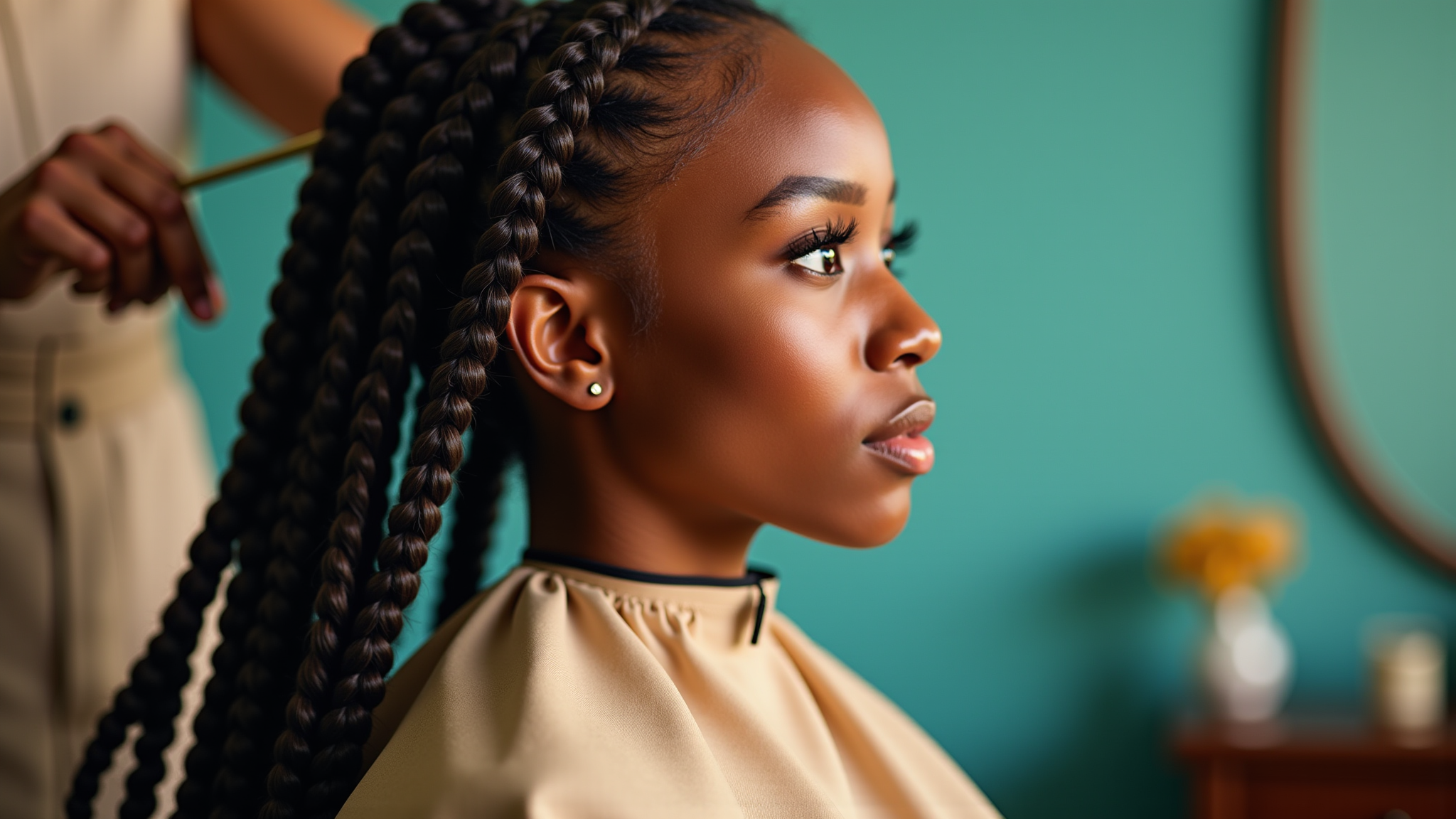
October in southeast Michigan changes how people think about their hair. The air turns cold and dry. Hats and scarves come out of storage, and the question of what to do with hair under all that gear comes up fast. Many people reach for a protective style around now. A protective style keeps hair braided or twisted so the ends stay tucked away and daily styling stops for a while. A search for African hair braiding Ypsilanti MI brings up plenty of choices, and that is where the confusion starts. Cornrow twists, Senegalese twists, micro braids, and goddess twists all look great in photos. They do not all suit the same hair or the same schedule. Think of what follows as a decision tree: find the branch that matches your life, and the style and stylist questions shrink fast.

If you want this, choose that
Start with what the style has to do for you, not with the style name. A braid that looks perfect on a friend can be a poor fit for your week. Find your top priority in the list below and follow it.
If you want a neat pattern close to the scalp, choose cornrow twists or flat twist.
If you want length and a soft, flowing finish, choose Senegalese, goddess, or kinky twists.
If you love fine detail and can spare a long day in the chair, choose micro braids.
If you would rather use mostly your own hair, ask about flat twist or the natural-hair version of a style.
If your hat or hood has to sit comfortably on top, favor flatter, shorter styles over long, heavy ones.
If you cannot decide, pick the branch that fits an ordinary Tuesday in January, not just the first day of the new look.
Three limits sit behind every branch. The first is wear time, meaning how many weeks you want the style to last. The second is upkeep, so be honest about how much daily and weekly care you will really do. The third is the hours you can sit in one visit. Budget works the same way. Prices depend on the style, the hair length, the braid size, and your hair texture. A smaller braid or a longer length usually means more time in the chair and a higher total, so ask for the full amount before you sit down.
Season matters too. A Michigan fall and winter means hats, hoods, and scarves, so think about how a style will sit under them. Long, heavy braids can catch on a coat collar, while shorter or flatter styles tend to stay out of the way. Write your answers down before you look at a single photo, because photos pull attention toward the look and away from the limits.
Which style family fits your hair?
Stylists use many of the same names, but the details shift from one shop to the next. The table below gives plain descriptions of six common choices. It is general guidance. It is not a price list, and it makes no promise about how long any style will last.
Style | What it looks like | Good to ask about |
Cornrow twists | Braids that lie flat against the scalp in a clean pattern, finished with soft twists | Parting direction and twist length |
Senegalese twist | Smooth, rope-like twists made with added hair | Twist thickness and how heavy the added hair feels |
Micro braids | Very small braids with many partings | Total time in the chair |
Flat twist | Twists that lie flat on the scalp, often on natural hair | Whether it stands alone or acts as a base for another style |
Goddess twist | Twists finished with loose, curly ends | How much of the curl comes from added hair |
Kinky twist | Twists made to echo a natural, textured look | The hair texture used and the finish at the ends |
Notice that every row ends with a question. The style name matters less than the details behind it. Two stylists can both offer Senegalese twists and give you very different results. The size of the parts and the amount of added hair change both the look and the feel.
The same logic applies to cornrow twists. One Belleville studio describes the style as a mix of the clean scalp pattern of cornrows and the soft texture of twists. The hair is sectioned close to the scalp and then braided or twisted into a design. That description shows why neat parting matters so much. The parts give the whole style its structure, so uneven parts show up in the final result.
Does the gallery hold up?
A style menu tells you what a stylist offers. A gallery shows how well they do it. Look for straight, even partings, braids of a steady size, and clean edges at the scalp. Scroll past the first few photos and check whether the quality holds across many clients. Natural, curly, and textured hair all behave differently, so a gallery that covers a range of hair types shows real range.
Local studios make this easy to check. Bamba Hair Braiding's list of featured styles is one example. The studio sits on Rawsonville Road in Belleville. It lists eight featured styles: goddess twist, cornrow twists, Senegalese twist, micro braids, flat twist, interlocks, invisible braids, and kinky twist. Its Ypsilanti page says the shop is roughly 10 miles east of Ypsilanti, about a 13-minute drive. A page like that gives you something concrete to hold up against every other shop on your list.
Also check how a studio talks about the work. Clear style names, a plain explanation of each step, and published prices are good signs. Vague answers are not. A stylist who can explain a style in simple words usually understands the craft well enough to adjust it for you. Reviews and word of mouth help too, but read them for details. A comment that says the parts were neat and the stylist checked comfort during the visit tells you more than a comment that only says the place was nice.
Can your stylist talk about tension and comfort?
Tension is how tightly the hair is pulled at the root as each braid or twist is made. It decides whether a style feels secure or sore. Anyone searching for african hair braiding ypsilanti mi should raise this question early, before the first part is made.
A good braid feels snug and steady. It should not feel painful. If a part pulls hard at your edges or temples, say so right away. A skilled stylist will loosen the section, change the angle, or take a short break. You never have to sit through discomfort to prove you are tough.
Clients with tender scalps can ask for a lighter hand and a slower pace. Tell the stylist where your hair feels sensitive, and mention any spots that have been tender before. Then watch the response. A calm, clear answer is a good sign. A rushed answer is a signal to think twice, because comfort affects how long you will want to keep the style in.
What should be settled before you book?
A few questions asked early save time on the day and keep surprises off the bill. Put these to any studio on your shortlist.
Does the price include added hair and the removal of an old style?
Do you bring the hair, or does the studio supply it?
Are the opening hours a fit, and does the shop take walk-ins or only booked visits?
How should your hair arrive: washed, dried, and detangled, or left as it is?
What is a realistic wear time for your hair type, given as a range instead of a promise?
How long is the drive, and where will you park?
Pack a snack and a phone charger for a long visit. Ask the stylist for care advice that fits your own hair before you leave, because the best routine depends on your texture and your week.
Which answers settle the choice?
Go back through the branches. Your top priority points to a style family. The table tells you what to ask about that family. The gallery, the tension talk, and the booking questions tell you whether a stylist can deliver it. When two shops tie, choose the one that answered each question clearly and without hurry.
A shop in Ypsilanti, Belleville, Ann Arbor, or somewhere in between can all be the right call. The distance matters less than the fit. That is how a long list of African hair braiding Ypsilanti MI results turns into one booked appointment. Choose one style, choose one stylist, and make the call this week, before the first hard freeze arrives.
Comments